RV Consignment: How It Works, What Dealers Charge, and Key Contract Terms
By Wade Hollister · October 21, 2026
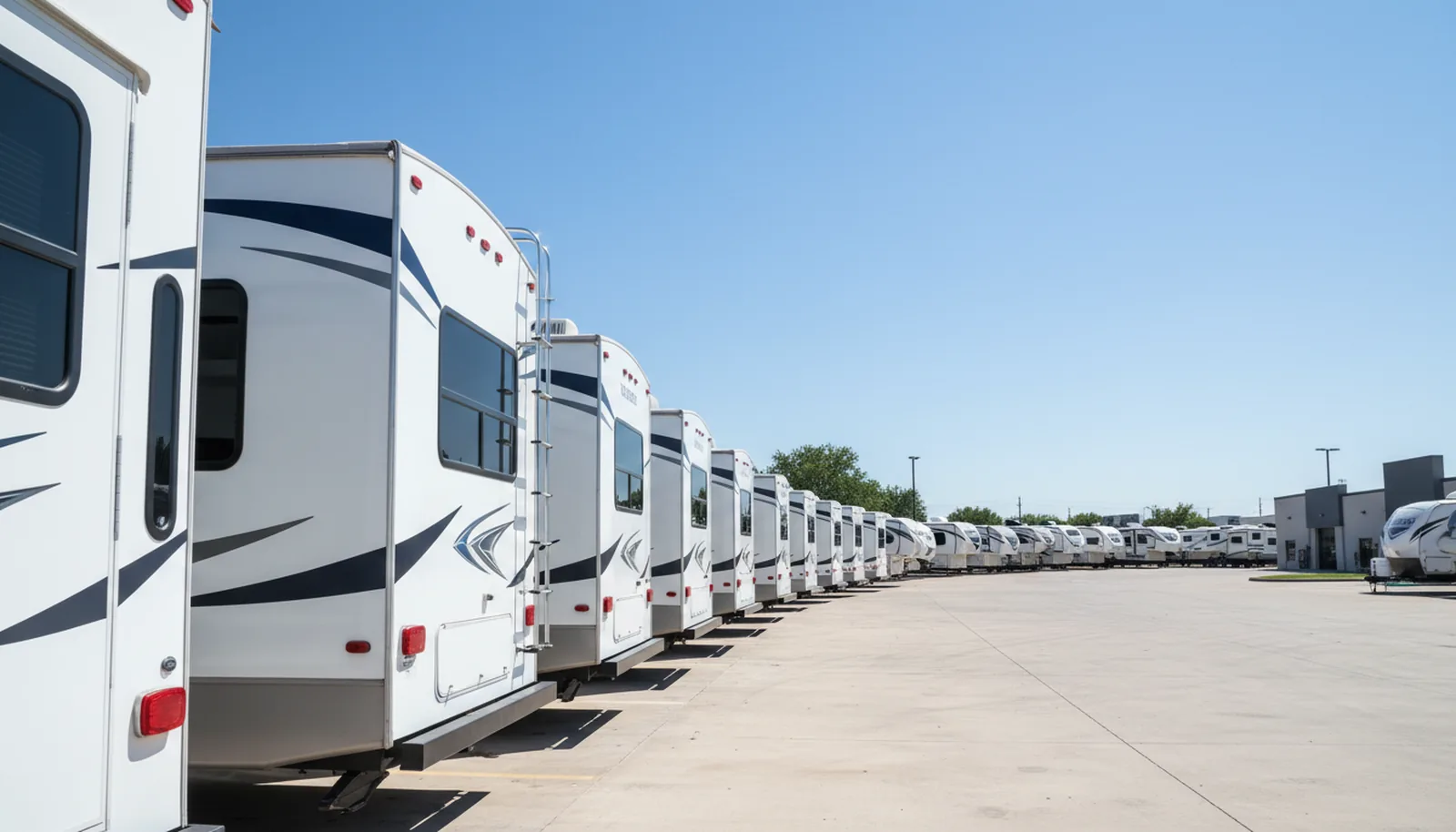
Last March a couple from Weatherford pulled a 34-foot fifth wheel onto our consignment row. They wanted $47,000 net, the market said $39,000, and that rig sat through bluebonnet season, through the first 100-degree day, and into August before I finally talked them down. Five months of a perfectly good coach aging on the lot, owner paying insurance the whole time, value ticking down every week. I sold RVs around Fort Worth for eleven years, and I can tell you the single most important thing about used RV dealers in Fort Worth: consignment works great if you read the contract, and it bleeds you slow if you don’t.
The wrong consignment agreement makes your rig a floor model for the dealer, not an asset for you.
RV consignment: who owns it, who sells it, and how you get paid
You get paid the agreed amount after the sale closes, and you keep the title until a buyer signs. Consignment is just the dealer selling your RV for you while you hold onto that title. And the getting paid part trips people up. You don’t get a check when you drop off the rig. You get a check after somebody else buys it, and only if the contract says what it should say.
You deliver the unit, the dealer details it and takes photos, it sits on the lot or their website, a buyer makes an offer, the dealer works the negotiation, and once the deal funds you get your cut. The rig might sit a week. It might sit a season. The dealer makes money either way. You only make money when it sells.
What dealers charge: the three big fee structures
There’s no one standard commission, and the three common setups I’ve seen are not close to equal.
- Percentage commission: The dealer takes a cut of the sale price. The percentage is all over the map from lot to lot, so get it in writing. Since the dealer makes more when the unit sells high, your interests at least line up.
- Flat fee: The dealer charges one set amount no matter what it sells for, say $3,500. Sell it for $40,000 and the dealer gets $3,500 while you get $36,500. The dealer’s incentive here is to close fast, not to push for the best number.
- Net-to-owner: You give the dealer a bottom line you’ll accept, and the dealer keeps every dollar above it. This can work if you set that number at true market value. Most owners set it too high, and then the rig sits.
Some dealers also charge up-front fees for detailing, inspection or listing. Those might be reasonable, but get them in writing and deducted from your proceeds.
The consignment contract: six terms to read before you sign
A bad agreement is one paragraph and a handshake.
- Length and exit: How many months does the agreement run? Can you pull the rig early, and what does that cost? Some dealers charge a storage fee if you pull it before the term is up.
- Minimum price: The contract should state a floor price you approve. Never leave the dealer able to accept any offer without a phone call.
- Who pays for repairs: Detailing, reconditioning, replacing a cracked fridge vent, fixing a slide seal. Those costs should be pre-approved and deducted from your proceeds.
- Insurance in writing: Whose policy covers theft, damage and test drives while the rig sits on the lot? The dealer may have a garage policy that covers consigned units, but don’t assume it. Ask to see a certificate of insurance, and keep your own policy in force until it sells.
- How fast you get paid: I’ve seen dealers pay within a few business days of the sale funding and others take two weeks or longer. The contract should name a number of days and state wether sale funds go in a separate escrow account. Some states have rules about holding consignment money in trust, some don’t. Ask how they handle it.
- Loan payoff: If there’s a lien, the contract has to spell out exactly how the lender gets paid at closing and how you get the difference. Never sign the title over without a written agreement covering this.
Check that the dealer is licensed in your state. Consignment rules vary by state, and in many states selling other people’s vehicles as a business takes a dealer license. Check yours.
This video from RVing with Andrew Steele breaks down what dealers don’t tell you about consignment before you sign.
How consignment compares to a trade-in or a private sale
Here’s the honest math from the lot side, and it’s the same math behind our post on RV trade in value. The table is what I’d tell a friend.
| Option | Money you usually net | Time to cash | Your hassle | Main risk |
|---|---|---|---|---|
| Trade-in or sell to a dealer | Lowest, near wholesale | Same day | Almost none | Leaving money on the table |
| Consignment | Middle, minus the dealer’s fee | Weeks to months | Low, once the contract’s right | A bad contract, a slow lot, insurance gaps |
| Private sale | Highest, if you price it right | Days to months | High: calls, showings, tire kickers | Scams, no-shows, handling payment and title yourself |
The insurance question: don’t learn this one the hard way
The line that matters most on any consignment contract is the insurance line. The dealer may have a policy, but if it doesn’t actually cover consigned units, a fire on the lot can turn into your problem. Ask before you sign: ‘Whose insurance covers my unit while it’s on your lot, and will you put that in writing?’ A straight dealer will send a certificate and note the coverage terms right on the contract.
Keep your own comprehensive coverage in force until the sale is finalized. Do not cancel it the day you drop off the keys. If a storm totals you’re rig on the lot and the dealer’s policy has a gap, your own coverage may be your only payout. Check your policy for how it handles a vehicle being sold on consignment, because some policies exclude business use.
How to pick a dealer for RV consignment
Not every dealer knows how to move consigned units, and the good ones will prove it before you ask twice. Look for a dealer who lists consigned inventory online with real photos and an actual description within a day of drop-off. Ask how many consignment units they sold last month. Ask to talk to one owner who got paid. A good dealer will have a name and a phone number for you.
Used RV dealers nationwide vary a lot in consignment volumne and honesty. The basic test: does the dealer explain the fee structure without dodging, and does the contract answer every question above? If not, you’re abotu to buy yourself a five-month headache.
What I’d do differently next time
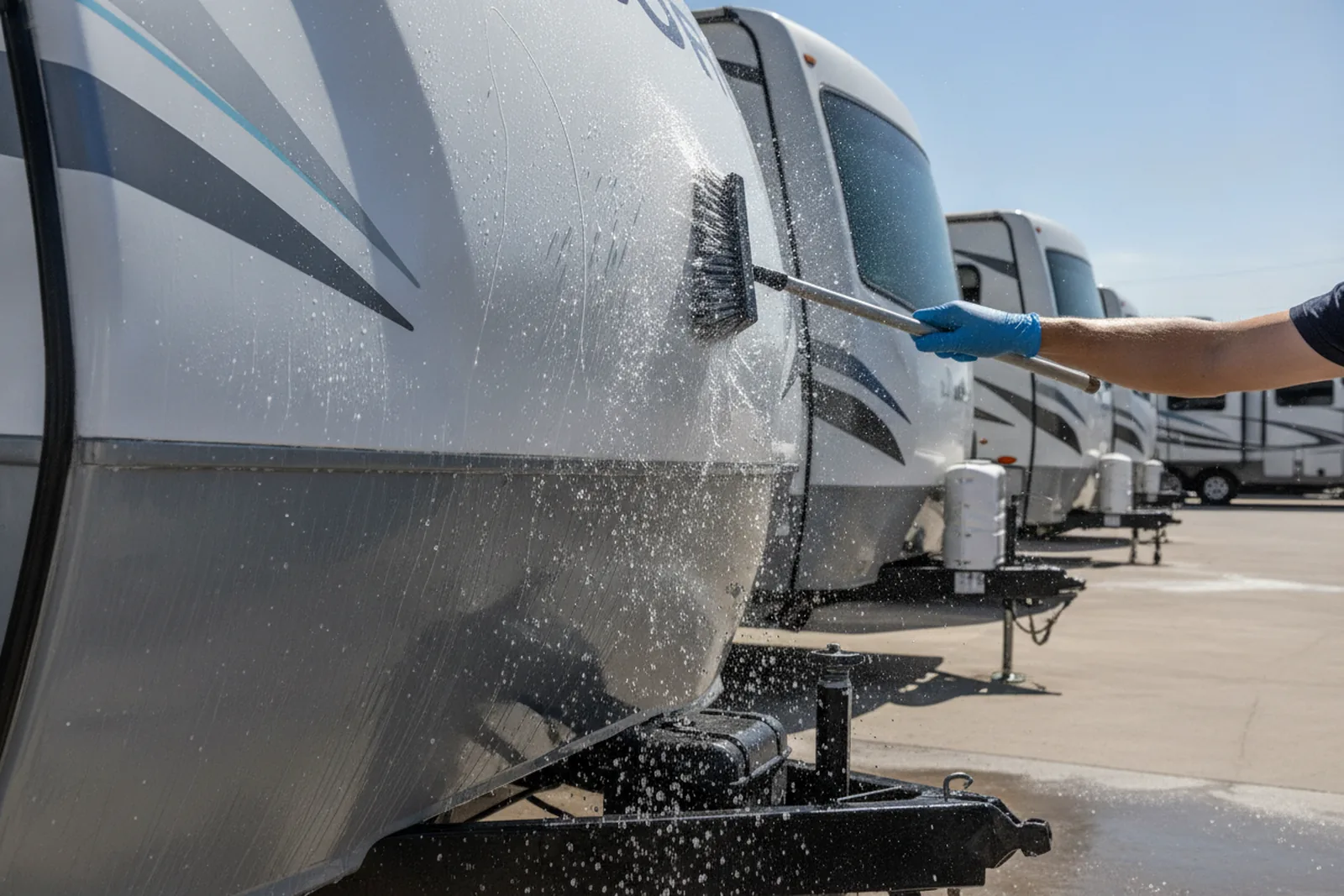
If I ever consign my own 2019 travel trailer, I’d do three things. I’d price it at the J.D. Power retail value, not the hopeful asking price I found in some online listing. I’d set the contract term at 60 days, not 90, and I’d drive to the lot at the one-month mark to check that it’s been washed and shown. I’d also call my insurance agent and ask for a written statement about coverage while the unit sits on a dealer’s lot.
Ive also written about how rigs lose value no matter how you sell them in our post on RV depreciation. Read that before you set a floor price, so you don’t do what the Weatherford couple did and chase a number that doesn’t exist.
The price test I run on every consignment deal
I’ve watched hundreds of consignment units move accross lots, and the owners who sell fast are the ones who understnad what their RV is worth to a dealer’s customer, not what they spent on it. Before you sign anything, call two rival dealerships and tell them you’re thinking of consigning. Ask each one for their fee structure and a written estimate of what your unit would list for. Those two numbers will tell you more than any value guide.
The next step is concrete. Pull up the dealers near you and ask two of them for a copy of their consignment agreement. Read it line by line, mark up the insurance clause, the fee line and the payment-days line, and ask who pays for a new tire if one blows in the lot. If they wont answer in writing, thank them for their time. Plenty of straight dealers out there, but you only find them by asking.
Keep reading
FAQ
Who pays for repairs while my RV is on consignment?
Usually the owner pays for repairs, but the contract should state it. Some dealers add routine reconditioning costs like detailing to a pre-approved list and deduct them from the sale proceeds. Major items like a new roof or slide motor should require your approval in writing before any work starts.
Can I still use my RV while it's on consignment?
Most dealers say no. Once the consignment agreement is signed, the unit stays on the lot and is not available for trips. Some will allow you to pull it for a weekend, but that usually voids any sales momentum and can raise insurance questions. Ask before signing.
What if my RV is financed and I want to consign it?
The consignment contract must say how the buyer's payment will pay off your lender and how fast you get the surplus. Never sign the title over to the dealer without a written agreement covering the payoff. Keep the lender informed, because the dealer cannot transfer the title until the lien is released.
How do I know a dealer will pay me after the sale?
Check that the dealer is licensed in your state. Ask whether sale funds are held in a separate trust or escrow account. The contract should state that you will be paid within a specific number of days after the sale funds. A straight dealer will have no problem showing you the fund handling terms.
Do I need my own insurance while the unit sits on the dealer's lot?
Keep your comprehensive coverage in force until the sale closes. Some dealer policies cover consigned units for damage and theft, but not all. Ask for the dealer's insurance certificate and confirm in writing that your unit is covered. Your own policy may exclude business use, so call your agent.
What's a realistic time on the lot for a consigned RV?
It depends on price, condition, season and the dealer's traffic. A well-priced unit can sell in a week; an overpriced unit can sit for months. Spring and early summer are the fastest months in most markets. Set a 60-day term with an option to renew, and check in at the halfway mark.
Find RV dealers near you
Compare new and used RV dealerships in your city, then ask a few what they have in stock.
Browse by stateOr jump to: RV consignment dealers · Albuquerque, NM · Tucson, AZ · Phoenix, AZ