RV Dealer No-Haggle Pricing: How It Really Works vs Negotiating
By Wade Hollister · November 1, 2026
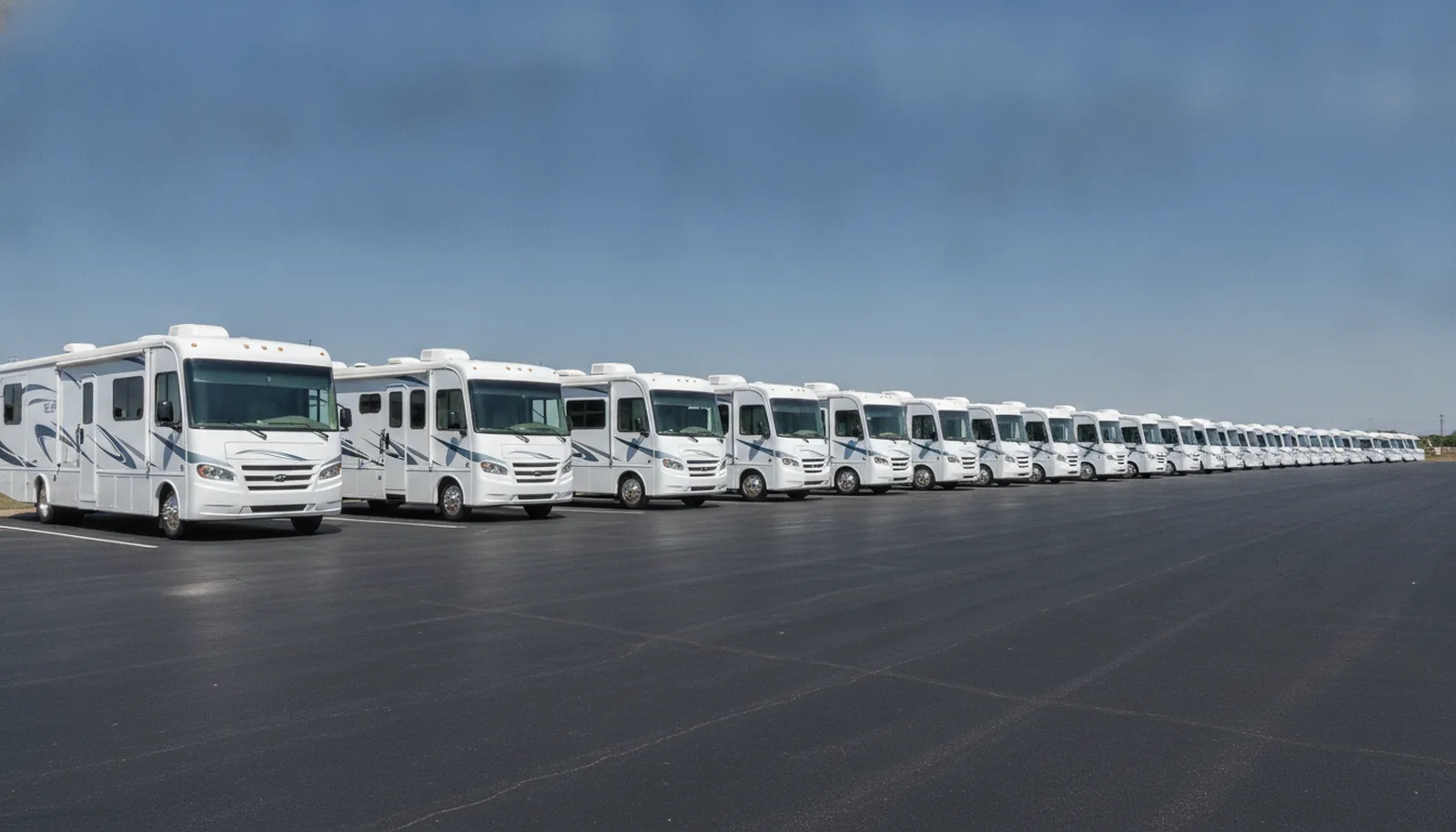
A few Julys back I was in my driveway in Fort Worth, sweating through my shirt, hitching up my 27-foot travel trailer for a week at Palo Duro Canyon. Night before, I’d been standing on the lot at my old dealership watching a sales manager run a four-square on a couple from Abilene. I still check RV dealers in Fort Worth every few months, just to see what’s moving. They ended up taking $3,500 off a leftover travel trailer and got a trade number they felt pretty good about. The sales manager pocketed $900 in commission. Both sides won. Sort of. That’s negotiated RV pricing in practice.
People ask me about no-haggle RV pricing every week. I get it. You want a number without the back-and-forth. But no-haggle doesn’t mean no games. It means the games just move to a diffrent part of the deal. I’m going to compare the two ways of buying from the other side of the desk. If you’re around Fort Worth, open up RV dealers across Texas and check some prices, then read this before you pick up the phone.
How no-haggle pricing works on the lot
A no-haggle dealer puts one price on the windshield. You pay it or you don’t buy. The price is usually already discounted off MSRP, sometimes alot, sometimes just $800. The salesperson often gets paid on how many units they move, not how much gross they hold, so there’s less reason for them to dig in. It’s clean, it’s quick, and for some folks it’s worth paying a little more.
But those one-price signs don’t tell you the whole story. The posted price is rarely what you write the check for. Doc fees, prep, freight, add-ons like sealant packages and nitrogen tires, they all show up on the buyer’s order. The finance manager still sells service contracts and GAP. And the trade? That’s the same old wrestling match. No-haggle on the unit is not no-haggle on the whole deal.
I called around a few lots in Texas for this one, looking at travel trailers and small fifth wheels. You can do the same on RV dealers across Texas and camper van dealers in Fort Worth for smaller stuff. The one-price stores were not always cheaper. One was $2,000 higher than a negotiated quote I got from a traditional lot in Weatherford. One was dead even. The posted price tells you almost nothing until you see the doc, prep and freight fees. When I compare, I start with class a motorhome dealers in Fort Worth. For a second number I check motorhome dealers in Fort Worth. And I’ll look at pop up camper dealers in Fort Worth too. That’s why the next move is to get the traditional lot’s number in writing.
What the sales desk did when you brought in a one-price competitor’s sheet
Get their itemized quote, then email a traditional dealer with the same floor plan. Say this: ‘I have this unit quoted at this out-the-door number from a one-price dealer. Can you beat it by $500 in writing?’ You’ll learn more in ten minutes than in an hour of chit-chat on the showroom floor.
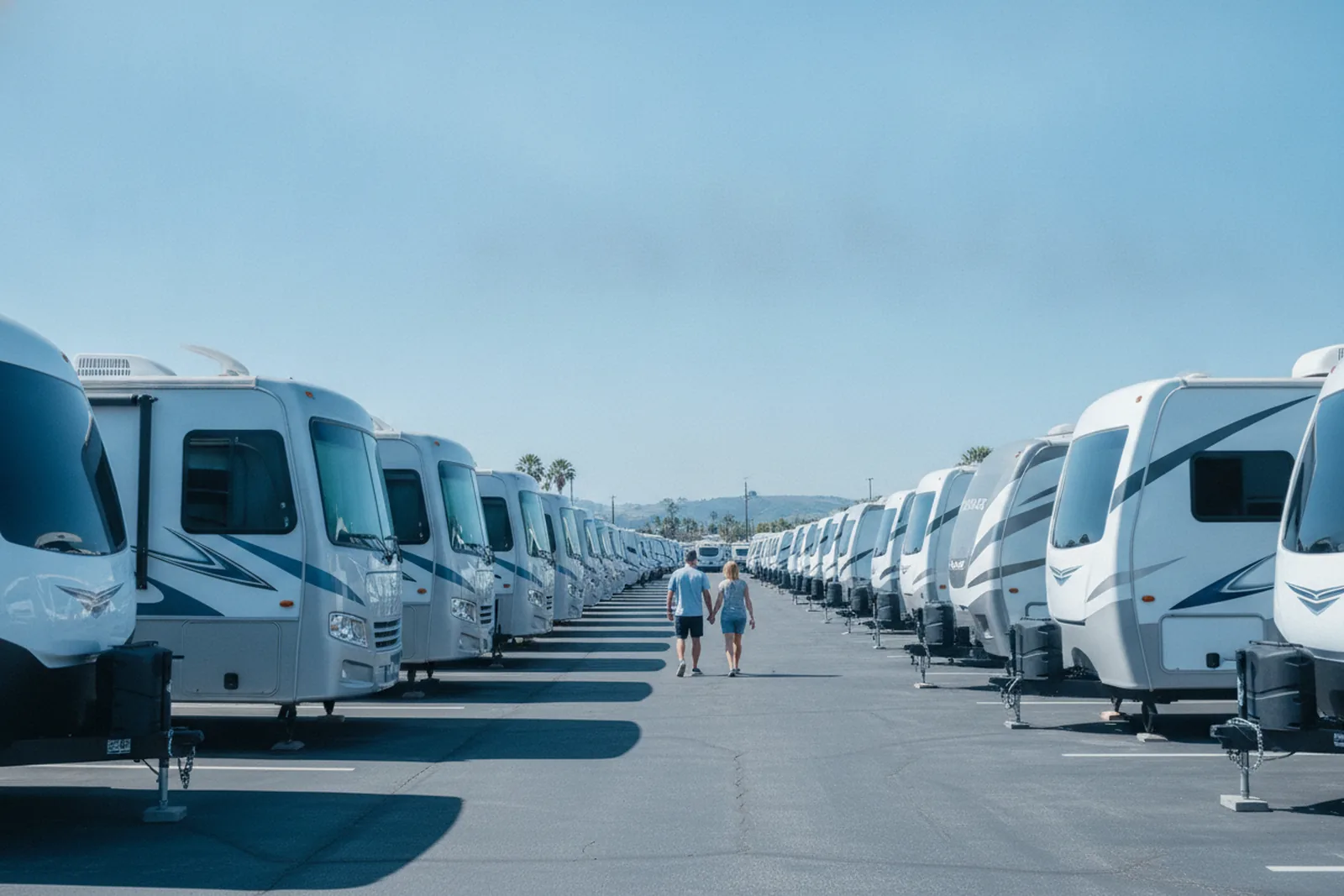
Where the negotiation moves: trade-in, financing, and products
If I’m buying from a no-haggle dealer, I still negotiate. The unit price is what it is. But I’ll spend twenty minutes on the trade, then I’ll sit down in the finance office and say, ‘I don’t want any products today, just the loan and the paperwork.’ That’s the whole play.
The comparison table: no-haggle vs negotiated, line by line
No-haggle works for a buyer who hates the game, allready knows what their trade is worth, and brings their own financing. It also works if your the type who can’t walk away from a sales desk. A one-price store keeps you from getting worked over on the unit. But you still have to say no in the finance office.
Fees are the back door, and they’re open at both kinds of dealers
I say it like this: ‘I’m fine paying your fees, but I need the total out the door to be this number, or I’m walking.’ Then I shut my mouth. They either get there or they don’t. The total is all that matters.
Class A and motorhome dealers near me: the same game with more zeros
I’d get three out-the-door quotes from traditional dealers within 200 miles, then call a one-price dealer and ask if they can match the best one. If they say no, I buy from the traditional dealer. If they say yes, I go there for the easier process. Either way, I win becuase I did the homework first.
The one question that exposes every no-haggle dealer
If you have a trade, ask the one-price dealer for a written offer before you let them crawl all over your unit. Some will give you a range. Then take that range to a traditional dealer and ask them to beat it on the new unit price. You’ll find out fast where the real money is hiding.
I found a video that shows some of these tactics in action, worth a watch before you hit the lot.
RV dealer no-haggle pricing: my honest bottom line
I’ve sat on both sides of the desk. I sold RVs on commission at a traditional lot, and I’ve bought two trailers for myself, one from a traditional dealer and one from a high-volume one-price store. I paid $2,100 less on the traditional deal because I haggled for three hours and kissed a Saturday goodbye. I paid $900 more on the one-price deal because I showed up with a credit union pre-approval in my glovebox, turned down every product, and was towing by noon. That $900 bought me my weekend back.
So there’s the trade-off: time for money. If you make $50 an hour, a three-hour haggle costs you $150 of your own time. If you can beat the one-price by $1,000, you come out ahead. If you can’t, you don’t. Most buyers can’t, because they don’t have competing written quotes. Get the quotes first, then decide.
My advice is to treat no-haggle as a benchmark, not a shortcut. Get out-the-door numbers from two no-haggle dealers and two traditional dealers on the same floor plan. Compare them line by line. Then walk into the place you trust with the best number in writing and say, ‘I’ll buy today at this number, no games.’ That’s how you beat the game, whether the sign says no-haggle or not.
What I’d tell a friend buying this weekend
Don’t pay the first posted price you see, even if they call it no-haggle. Get the out-the-door quote in writing. Ask about every fee. Get your trade appraised at two places. Bring your own financing. Then decide if the time savings is worth the money diffrence.
I’d rather you give up a Saturday haggling than hand $2,000 to a finance manager. But if the one-price store gets you within $500 of the best negotiated deal, take it and go camping. Time in the unit beats time on the lot.
Next step: pull up RV dealers near you on this site, get two written out-the-door quotes on the same unit, and ask each one to beat the other by $500. Then buy from whoever puts it in writing.
Related reading
FAQ
Is RV dealer no-haggle pricing really no negotiation?
No. The posted price on the unit is usually fixed, but the trade-in value, financing rate, and add-on products like extended service contracts are still negotiable. Ask for an itemized out-the-door quote and compare it to a traditional dealer. You can often get a better deal by negotiating the total, not the sticker.
How much can I negotiate off a new RV at a traditional dealer?
It varies widely, but discounts of $1,000 to $8,000 or more off MSRP are common, especially on leftover model-year units. The only reliable benchmark is is competing written quotes on the same floor plan. Ask for an out-the-door price, not a discount percentage.
What fees do no-haggle RV dealers add?
Most still charge documentation fees, dealer prep, freight, and sometimes add-on packages like sealant or nitrogen. These can total $1,500 or more. Always get a buyer's order with every line item listed, then ask for the total out-the-door price before you agree.
Should I bring my own financing to a no-haggle RV dealer?
Yes. Dealer-arranged financing can include a rate markup that pays the dealer. Get pre-approved with a credit union or bank before shopping, then let the dealer try to beat that rate. Compare APR and term, not monthly payments. A lower payment can just mean a longer term and more interest.
Is trading in my RV at a no-haggle dealer a good idea?
It can be, but the trade-in offer is still negotiable at those stores. In many states you get a sales tax credit on the difference between the new price and the trade. Get your trade appraised at two or three dealers, including a traditional one, then compare offers along with the new unit price.
How do I get the real out-the-door price from an RV dealer?
Ask for the buyer's order with every fee listed, before any deposit. Say: 'I need the total out-the-door price including all dealer fees, but before tax and title.' Get it in writing by email. That number is what you compare between dealers, not the MSRP or the monthly payment.
Are extended service contracts from RV dealers worth it?
They are optional and usually marked up. An extended service contract can cost $1,500 to $7,000 or more. It may make sense if you can't afford a big repair and you travel with a complex rig. But read the exclusions and check cancellation rules. You can offen buy later, and never roll it into the loan if you can avoid it.
Find RV dealers near you
Compare new and used RV dealerships in your city, then ask a few what they have in stock.
Browse by stateOr jump to: Albuquerque, NM · Tucson, AZ · Phoenix, AZ