Class B RV Dealer: What to Check and Ask Before You Buy
By Denise Kowalski · October 29, 2026
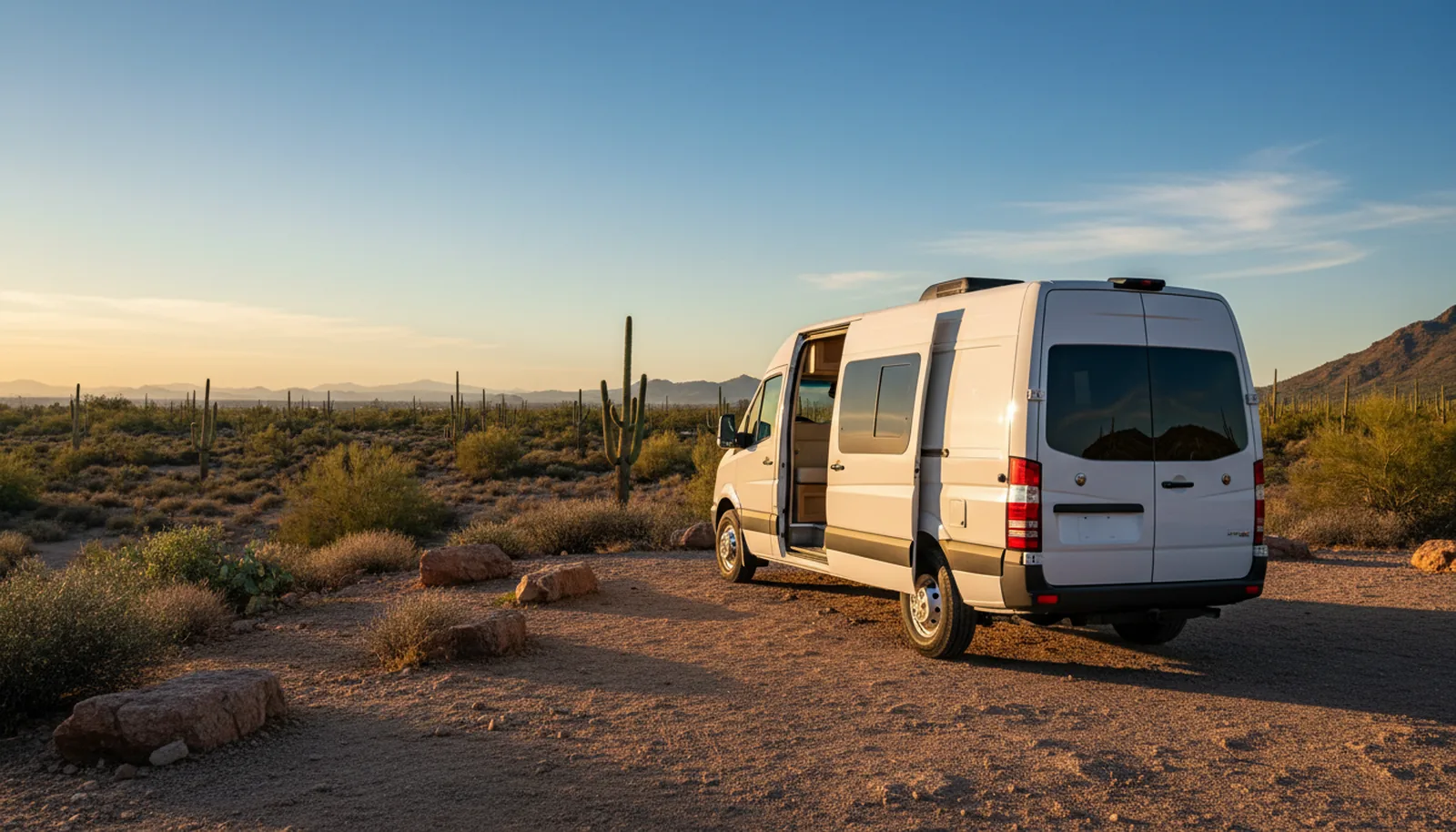
Last June I drove my 28-foot Class C out toward the Superstitions, ninety degrees, windows down, dash AC dead around Apache Junction. Nine years in F&I at Phoenix RV dealerships taught me that repair was coming out of my own pocket, not a warranty. (I still check motorhome dealers in Mesa every few months.) That drive was the day I decided to start writing down what the finance desk actually does to people.
Class B vans are different. Buyers show up high on the lifestyle, then go pale at the price per foot. A van can cost what a small condo costs, which sounds insane until you see what’s actually in it. Before you step onto any Class B dealer lot, get a written out-the-door quote first.
Where to look: comparing class B RV dealers near you
Shopping a Class B means calling around. I’d start with motorhome dealers nationwide to find stores that actually stock camper vans and dont just order them. Then check camper van dealers in Mesa if you’re in the East Valley. Take a look at pop up camper dealers in Mesa for perspective on smaller rigs, and search RV consignment in Mesa for used vans that soften the sticker shock. RV dealers in Mesa will round out the local picture.
Ask every dealer for an out-the-door price on a specific floor plan. No number over the phone, no visit. I’ve watched sales managers hide behind “come in and we’ll talk” for years. That’s not a bargain. That’s a finance office with a chair warm for you.
Dealer-built vs converter-built vans: who fixes what
A Class B is two halves from two different companies. The chassis and engine belong to the van manufacturer. The coach part, the bed, the fridge, the plumbing, come from a converter.
When something fails, that split matters a lot. Engine issues go to a truck or van dealer. A dead bed lift goes back to the RV dealer who sold it, assuming they even service that brand. Some stores only touch units they sold. Ask before you sign.
I’ve sat in my office while a service manager argued with a manufacturer for forty minutes over who pays for a fried inverter. You don’t want to be that customer. Get the service manager’s name and direct phone number on delivery day.
Electrical systems: lithium, inverters and the demo you need
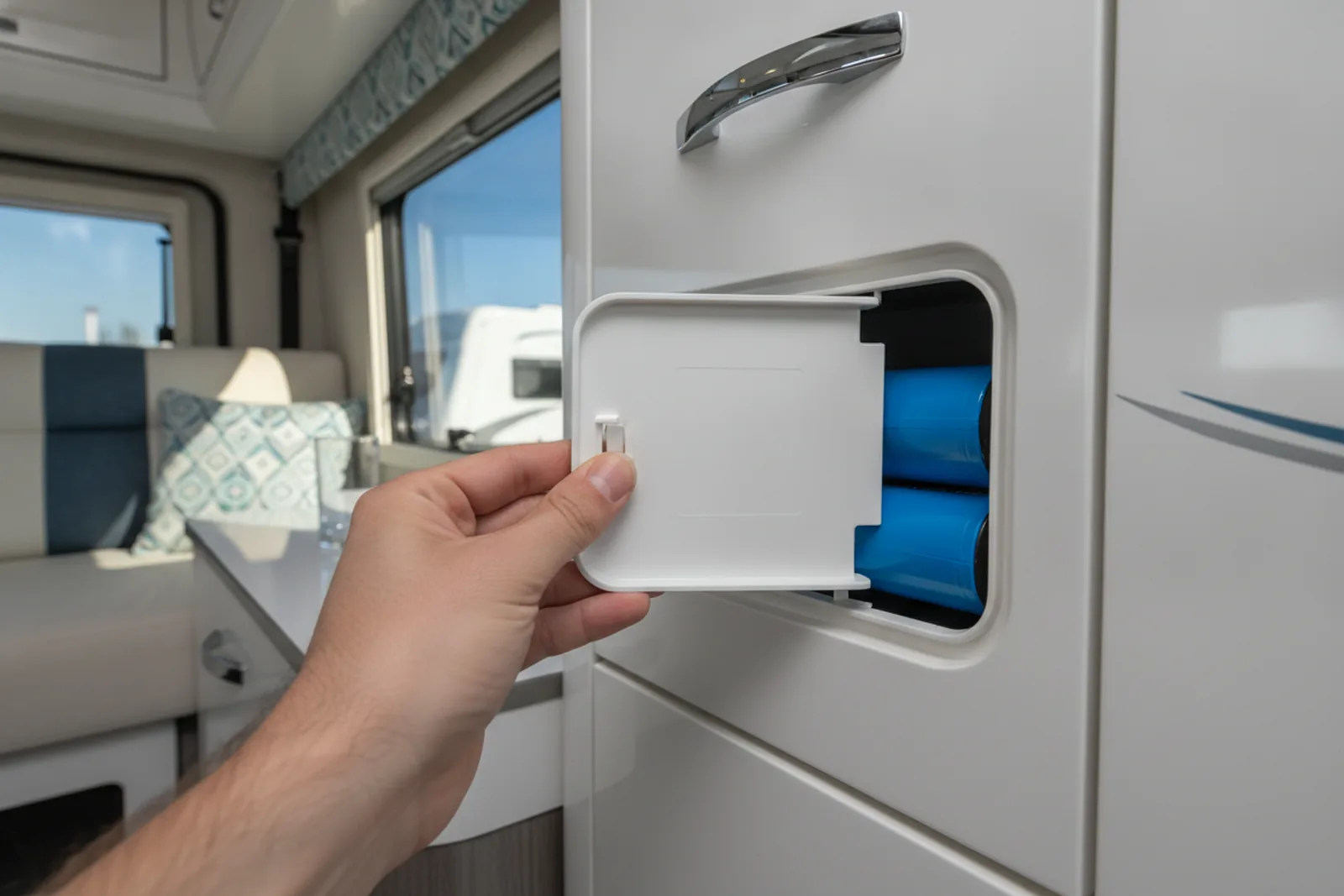
The electrical system is usualy the most expensive thing in a Class B. Lithium battery prices have dropped over the past five years, but a full upgrade still runs into the thousands. A lot of vans now come with an inverter that runs the microwave off batteries, and the alternator charging setup can push 200 amps while you drive.
At the walk-through, make them run the microwave for one minute with the engine off. Then start the engine and watch the battery monitor climb. Solar sounds great in the brochure, but it only works if the controller is actually wired to the panels properly. Film the whole demo.
I once financed a couple who never tested the inverter untill their first boondocking trip. Microwave wouldn’t turn on. Repair bill was theirs because the demo never happened.
I found a video that walks through the key things to check before you buy a Class B, and it lines up with what I’ve seen on dealer lots.
Water, winterizing and the walk-through questions
Camper vans carry less water than any rig I’ve ever parked. Fresh tanks can sit under 20 gallons. Gray and black are smaller still. Winterize before the first real freeze and ask if the dealer uses air or antifreeze. Some builders tuck the dump valves behind a panel you’ll be wrestling in the dark.
What to ask at a Class B RV dealer
| Question | Why it matters |
|---|---|
| Can I run the water pump with the tank full and check all fittings? | Leaks hide behind cabinets in a van |
| Is it winterized now, and will you de-winterize for the demo? | You can’t test plumbing in January without it |
| Where are the tank dump valves and how do I reach them? | Some are buried behind a drawer |
| Will you show me the bypass valves for the water heater? | You’ll need them every fall |
| Does the toilet use a cassette or a black tank? | Cassettes are easy to empty but small; black tanks take a dump station |
One winter I crawled under my own rig with a hair dryer because I missed a low point drain. On a van, those low points are often inside the cabin. Find them before you hand over money.
Payload: the number salespeople won’t mention
Payload is the weight of peopel, water, gear and options you can add before the chassis is overloaded. Many vans leave the factory with under 1,000 pounds of capacity. Toss in lithium batteries, a second alternator, a roof rack and four adults and that number disappears fast.
Ask for the door-jamb sticker on the actual van, not the spec sheet online. Weigh it at a truck stop scale before you sign if you can. Overloading a camper van is a safety problem and a warranty problem.
I had a customer trade in a van after one season. It couldn’t carry his kayak and his wife’s sewing machine without squatting in the back. Dealer offered wholesale because the rear suspension was already shot. Payload keeps you legal.
Bed and bath layouts: what’s worth the money
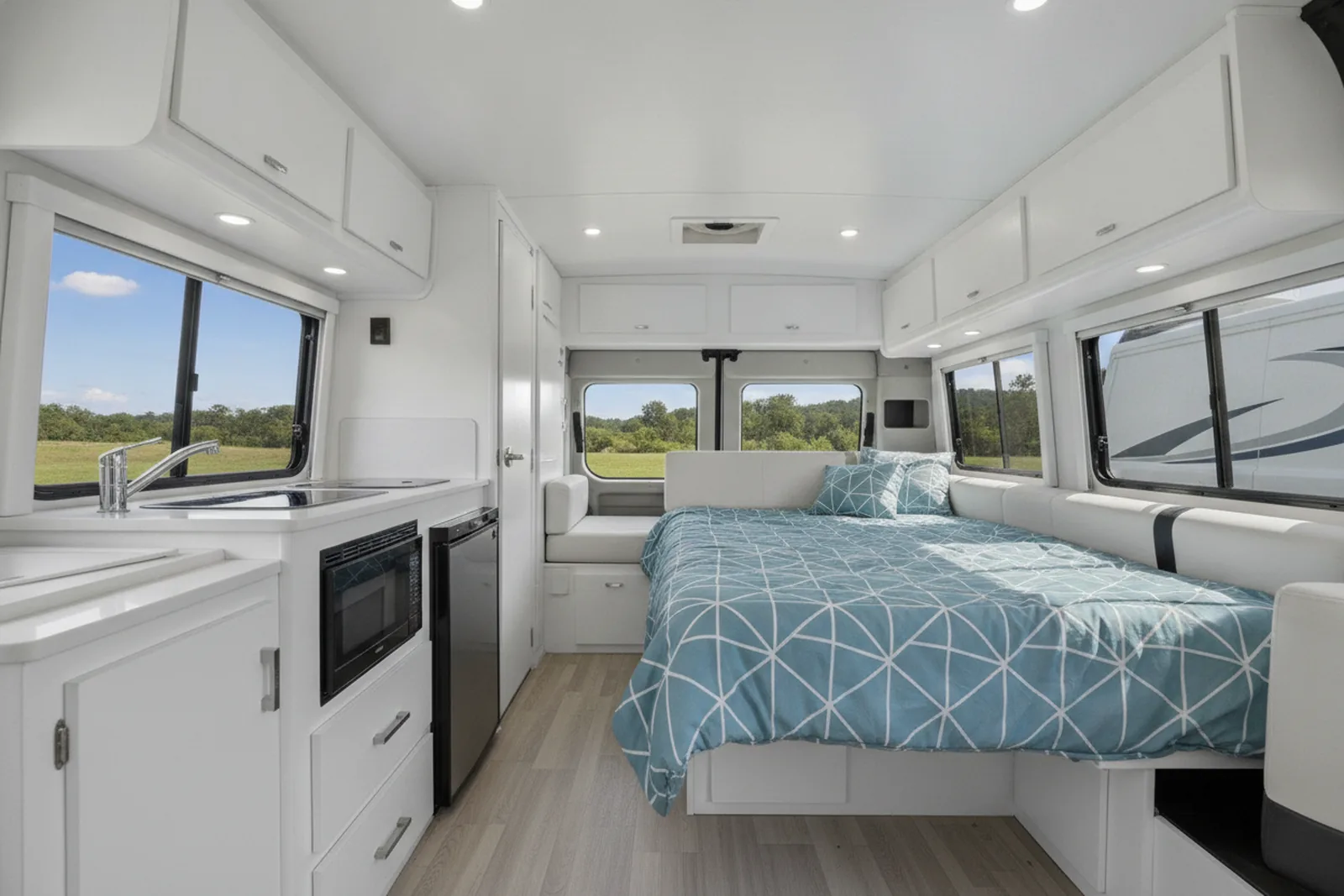
You pay extra for a layout you can actually live with. The common setups are a fixed bed at the rear, a fold-down bed that eats you’re seating, or a pop-top. Bathrooms come in wet bath (toilet and shower in one little cubicle) and dry bath, which is rare in shorter vans.
Sit on the toilet with the door closed. Lie on the bed with whoever you’ll sleep next to. If the salesperson waits outside, fine. Take ten minutes.
I’ve watched couples buy a van with a wet bath and sell it inside a year because the shower curtain glued itself to them every morning. The layout doesn’t change once you leave the lot.
Resale and the price-per-foot reality
You will not get your money back on a new Class B in the first three years. Depreciation is steep. But demand stays high and supply stays low, so used vans hold value better then a lot of towables. A three-year-old van with a popular layout can sell for close to orginal sticker.
Read our post on RV dealer fees before you sign anything. And spend an hour with our post on RV dealer reviews to figure out which stores actually service what they sell.
The price per foot always stuns people. $80,000 for 20 feet is $4,000 a foot. A 40-foot diesel pusher can come in cheaper per foot. What you’re buying is engineering and the ability to park anywhere. After nine years in F&I, I’ll take the van.
What I’d do this weekend
Call two Class B RV dealers within 200 miles. Ask each for a written out-the-door price on the same floor plan, every fee included. Then ask who services the electrical system when it fails. If they hedge, keep looking.
Saturday morning, go to the one that gave you a straight answer. Bring the checklist from this post, ask for the de-winterized demo, and lie on the bed. If you won’t lie on the bed now, you won’t love it at a truck stop in Montana.
More from the lot
FAQ
What is the difference between a Class B and a camper van?
They are the same thing. A Class B is a motorhome built on a van chassis, often with a raised roof or expanded body. A camper van can also mean a conversion van with a bed and portable toilet. At a dealer, Class B means the full RV setup with plumbing, electrical and a kitchen.
How much does a Class B RV cost?
New Class B vans commonly run from $80,000 to $200,000 or more, depending on the chassis, battery capacity, and layout. Used vans can start around $50,000 for older models. Prices vary by dealer and market. Get written out-the-door quotes from at least two dealers before deciding.
Do I need a special license to drive a Class B RV?
In most states, no. A Class B is built on a standard van chassis under 26,000 pounds, so a regular driver's license works. Always check your state's rules, since some states have weight-based restrictions or endorsement requirements for larger motorhomes.
How long do lithium batteries last in a camper van?
Lithium iron phosphate (LiFePO4) batteries often last eight to ten years or more with proper use. They can handle thousands of cycles. The actual lifespan depends on how deep you discharge them, how hot they get, and the quality of the battery management system. Ask abotu the warranty and cycle rating.
Can I get a loan for a used Class B camper van?
Yes. Lenders finance used RVs, but terms get shorter and rates may be higher as the unit ages. Most want a down payment of 10 to 20 percent. A pre-approval from a credit union or bank gives you a benchmark before you enter the F&I office.
What is a wet bath in a Class B van?
A wet bath combines the toilet and shower in one waterproof compartment. It saves space compared to a dry bath, where the shower is separate. The trade-off is a cramped shower experience and a wet toilet seat after you rinse off. Sit in it during the demo before you commit.
Is buying a Class B from a dealer better than private sale?
A dealer may offer a warranty, financing, and a completed PDI, but you'll pay more. A private sale can be thousands cheaper but carries more risk. If you buy privately, hire an independent RV inspector to check for water damage, electrical issues, and chassis problems before you hand over money.
Find RV dealers near you
Compare new and used RV dealerships in your city, then ask a few what they have in stock.
Browse by stateOr jump to: Dealers that buy RVs · Katy, TX · Byron, GA · Roseville, CA