Buying a former rental RV from a dealer: the deal, wear and checks
By Wade Hollister · October 29, 2026
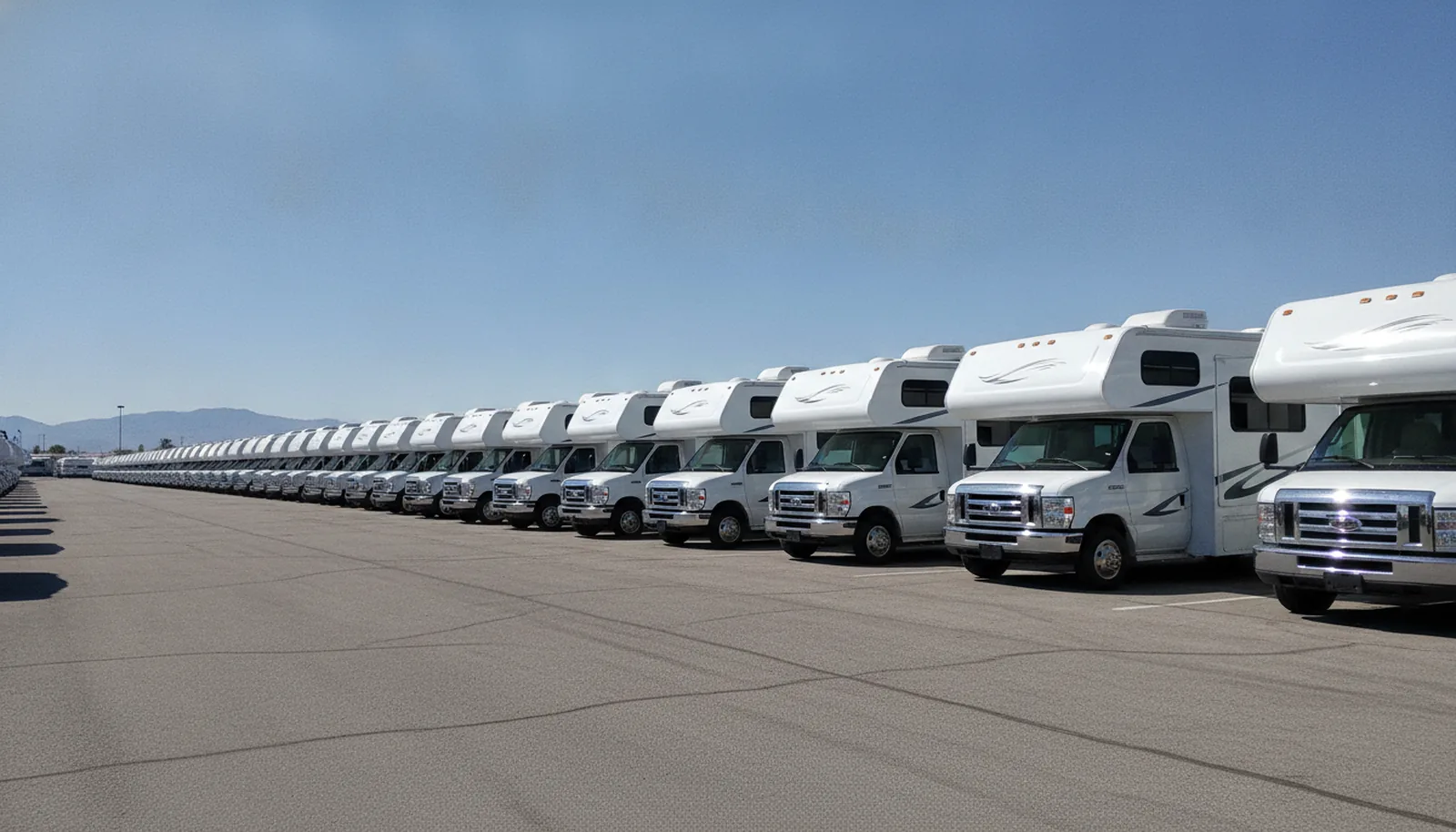
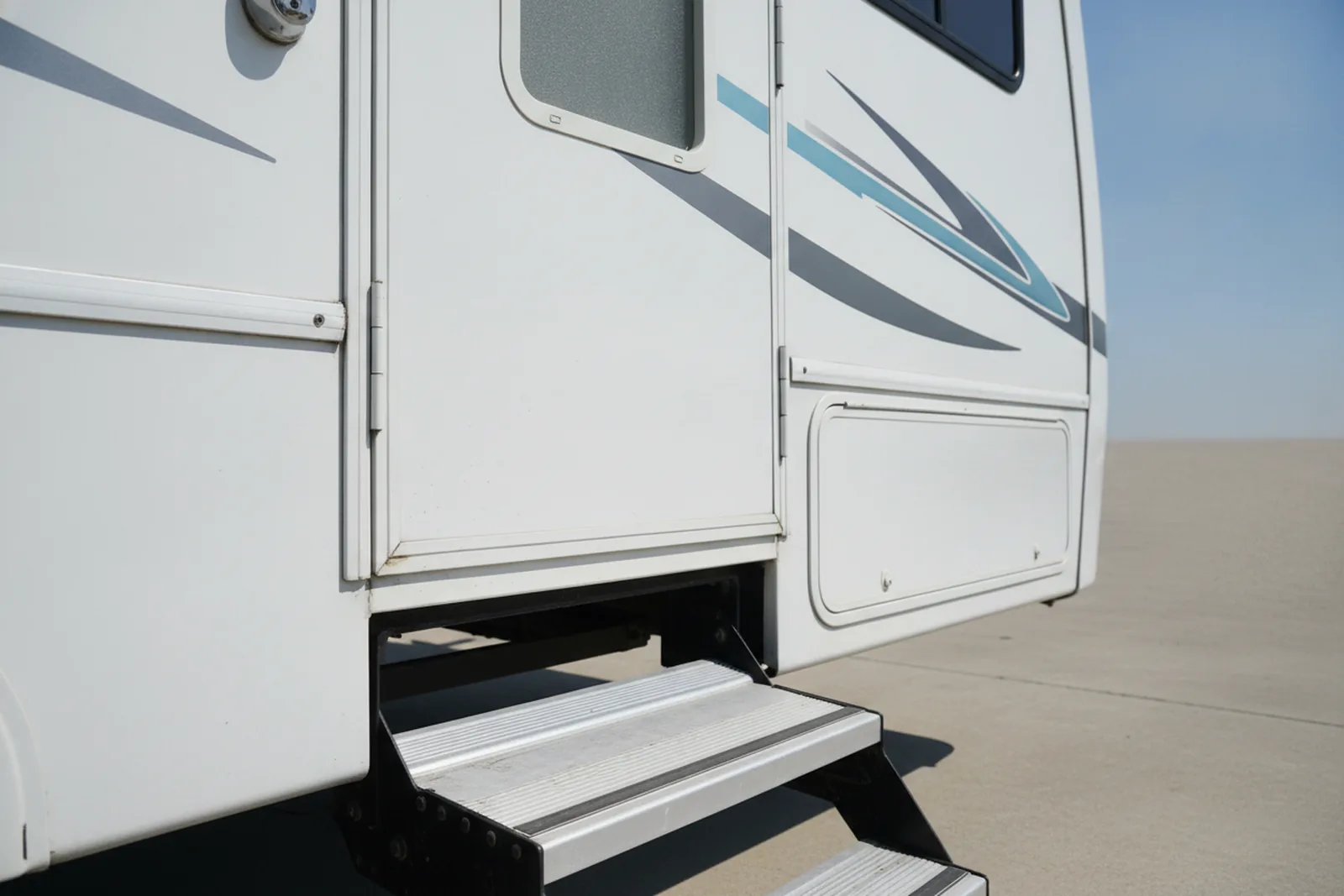
Last March I stood on a dealer lot in north Fort Worth as a 2020 Class C rolled in with 84,000 miles and a rental fleet sticker still on the back. The sales manager paid well under what that same floor plan books for as a privately owned unit, and you’ll hear similar stories from used RV dealers in Las Vegas. I kicked the entry steps and the rubber gave under my boot. “See?” he said. “That’s why they’re cheap.”
That unit taught me what buying a former rental RV from a dealer actually involves. You save real money. You also inherit real wear. If you find a rental RV dealer with ex-fleet inventory, some headaches are normal and some will walk away with your wallet. You need to know which is which before you sign.
I sold RVs in Texas for eleven years, and a steady stream of ex-rental motorhomes and travel trailers came through our used lot, so I’ve seen the full range. A few were gems. More than one made me glad my name wasn’t on the buyer’s order, and that’s the honest truth.
What an ex-rental RV actually costs at a dealer
Ex-rental units price below a comparable private-party trade because they carry high miles or heavy trip counts, plus fleet-spec interiors with plain furniture and fewer options. The dealer paid wholesale, subtracted reconditioning and a “risk discount,” then marked it up to cover repairs. At my old lot, if we had $9,000 of retail work in a Class C, we started at a markup that covered the repairs and left room to negotiate.
Before you shop, pull up used RV dealers nationwide and compare asking prices on similar year and floor plans. In Las Vegas, used RV dealers often stock ex-rental Class Cs because the rental market there is strong, and class a motorhome dealers in Las Vegas may have former luxury rental coaches with low trip counts but high hours. If you want something smaller, camper van dealers in Las Vegas sometimes take ex-rental vans on trade, and pop up camper dealers in Las Vegas rarely see rental pop-ups but are worth a call. For bigger coaches, motorhome dealers in Las Vegas run there own ex-rental sections.
Don’t negotiate off the sticker. Ask for a written out-the-door price on a specific unit and include every fee, then compare that number between two or three dealers.
Fleet maintenance: often regular, sometimes hard
A rental company’s biggest fear is a coach broken down 400 miles from the nearest return office, so most big fleets follow a strict PM schedule. Oil changes, tire rotations, brake checks. I’ve seen ex-rental service records that would embarrass a private owner. One 2018 Class C came through with evry oil change stamped at the factory interval like clockwork.
The other side of the coin: that same coach had high miles in a short time and had been driven by many first-time motorhome renters. Entry steps were sagging, the awning arm had a fresh weld, and the generator had 2,100 hours, which is heavy use for a coach that age.
Always ask for the maintenance records before you make an offer. If the dealer says they’re gone, knock a meaningful amount off you’re number and walk if they blink.
Where ex-rental units wear first
Renters don’t treat a coach like their own, but the wear is predictable. Here’s what I saw most on trade-ins from rental fleets:
| Area | Often still good | Check hard before you buy |
|---|---|---|
| Chassis and engine | Regular fleet oil changes, belts, hoses | High miles in a short time, rough cold starts, stop-and-go vacation driving |
| Interior | Fleet-grade vinyl floors and upholstery hold up to spills | Sofa cushions, dinette foam, window cranks, cabinet latches |
| Exterior | Body panels rarely dented; company wraps protect paint | Roof sealant, slide-out seals, clearance lights, awning arms, entry door and steps |
| Systems | Furnace and water heater often replaced at 2-3 years due to renter misuse | Generator hours, holding tank valves, water pump, converter |
| Tires | Replaced on schedule by some fleets | Age and tread, sidewall cracks, DOT date code older than 5 years |
Pay a certified RV inspector for an independent look, especially on the roof and under the slide floors. A few hundred dollars now beats a soft floor later.
Title history and what it tells you
A title that lists a rental company, fleet leasing entity or commercial owner is a red flag only if no one tells you. I pulled a Carfax-type report on one ex-rental unit and found it was titled in three states and leased to a touring band for six months. It still sold, but at a lower price because the buyer knew the truth.
Ask the dealer for the title history or a VIN report before you sign. Look for commercial use, multiple owners in a short time, and any branded title (salvage, flood). If the dealer hesitates, you still have time to search dealers like a pre-owned RV dealer that offers warranties and compare how they handle title disclosure.
A clean history with fleet ownership listed is fine. A missing history is not.
Warranty: what’s left, what’s real
Most ex-rental units sold thru dealers have no manufacturer warranty left, or only a portion of the structural warranty if it transfers. The dealer may offer an extended service contract in the finance office, but read the exclusions: sealed seams, slide adjustments and “pre-existing conditions” are often not covered.
On my old lot, we sold a 2019 travel trailer that had been a rental for 14 months. The orginal one-year bumper-to-bumper was gone, and the 3-year structural coverage had been voided when a renter backed it into a tree, weirdly enough. The buyer’s service contract denied the slide-out repair because the leak was “progressive damage,” and he ate a $1,600 bill.
Before you pay for any coverage, see our post on pre owned RV dealer warranties. It shows what “certified” really means and which questions get a straight answer.
Financing and insuring a former rental
Some lenders treat ex-rental units like commercial vehicles and charge a higher rate or cap the term shorter than a private-party unit. Others won’t finance them at all. Ask your loan officer directly: “Does your bank finance a former rental RV, and does it change my rate?” I’ve watched a customer loose a deal because his bank balked at the fleet title two days after he’d signed.
Insurance is simpler: full coverage usually works the same wether the coach had one owner or 40 renters, as long as the title is clean, but check your policy. Tell the insurer it was fleet-owned, get it in writing, and have the VIN checked for flood or salvage before you pay a deposit.
And watch the dealer’s add-ons. A “reconditioning fee” on a used ex-rental unit is often double profit. Our post on RV dealer fees names the line items worth challenging.
The numbers that matter at signing
Before you sign a buyer’s order on an ex-rental unit, ask three things and write down the answers:
- How many rental days does this unit have? Fleets track this. Under 300 days is light, 300 to 600 is normal, over 600 means it was rented heavily.
- What are the generator hours? Under 500 is low, 500 to 1,500 is typical for an ex-rental, over 2,000 is high and the generator may need a rebuild sooner, but these are rough guides, not hard rules. On a motorhome, compare generator hours to engine miles; a much higher ratio of hours to miles than a private owner’s typical use can signal heavy rental use.
- May I take it to an independent inspector before final payment? If the dealer says no, walk. A straight dealer says yes.
That last one separates the good lots from the others. I said no to a customer exactly once in eleven years, and that unit came back with a cracked frame rail.
I found a helpful video that explains the appeal of used rentals, and it matches what I’ve seen on dealer lots.
What I’d do with $30,000 this weekend
If I were buying an ex-rental RV tomorrow, I’d spend the time to find a unit with complete fleet records and under 500 generator hours, then pay an NRVIA inspector $600 before signing anything. The price diffrence between a clean rental and a beat one is often less than $3,000, but the repair difference on a Class C roof can hit $8,000 fast.
Take an afternoon and pull up dealers near you that carry former rental units. Ask two of them to send a written out-the-door price on the same year and floor plan, with the service history attached. If one says the records are missing, you just learned something without spending a dime.
Then go camping. The rig will tell you the rest in a weekend, because ex-rentals don’t hide their problems for long. You just have to know where to look.
If you’re still deciding
FAQ
Is buying a former rental RV a bad idea?
Not always. Ex-rental units are cheaper because of high miles or trip counts and fleet-plain interiors. They often have good maintainance records. The risk is hard use by many first-time drivers and worn steps, awnings and generators. Buy one with complete records and get an independent inspection, then negotiate the price down for any wear.
What is the typical generator hour count on an ex-rental motorhome?
For a former rental motorhome, 500 to 1,500 hours is common. Under 500 is low and over 2,000 means the generator has seen heavy use and may need a rebuild sooner. Compare hours to engine miles: a private owner often shows about 10 miles per hour on the generator, so 50,000 miles with 2,000 hours is high.
Do lenders finance former rental RVs?
Some do, some don't, and it depends on the lender. A few banks treat ex-rental units like commercial vehicles and charge a higher rate or cap the term shorter than a private-party unit. Ask your lender before you make an offer, or get a pre-approval and let the dealer try to match it.
Can I get a warranty on a used rental RV?
You can usually buy an extended service contract from the dealer or a third-party administrator. But read the exclusions: many contracts wont cover pre-existing wear, seals, roofs or slide adjustments. Get any promise in writing and compare the contract to what a certified repair might cost without coverage.
What should I inspect first on an ex-rental travel trailer?
Start with the roof and the slide-out seals; renters often scrape branches or leave slides out in rain. Then check the entry steps and door frame for flex, test the awning arms, and look at tire age on the DOT date code. Water damage is the most expensive common problem, so probe the floor under the fridge and around the toilet.
How much less is an ex-rental RV worth than a private one?
Expect roughly 15 to 25 percent below a comparable private-party unit with similar miles and year, but the price varies by condition and dealer. The dealer paid well under wholesale, did some reconditioning and priced in the rental stigma. Use written out-the-door quotes from two dealers to see the real gap in your market.
Find RV dealers near you
Compare new and used RV dealerships in your city, then ask a few what they have in stock.
Browse by stateOr jump to: Dealers that buy RVs · Colorado Springs, CO · Mesa, AZ · Houston, TX